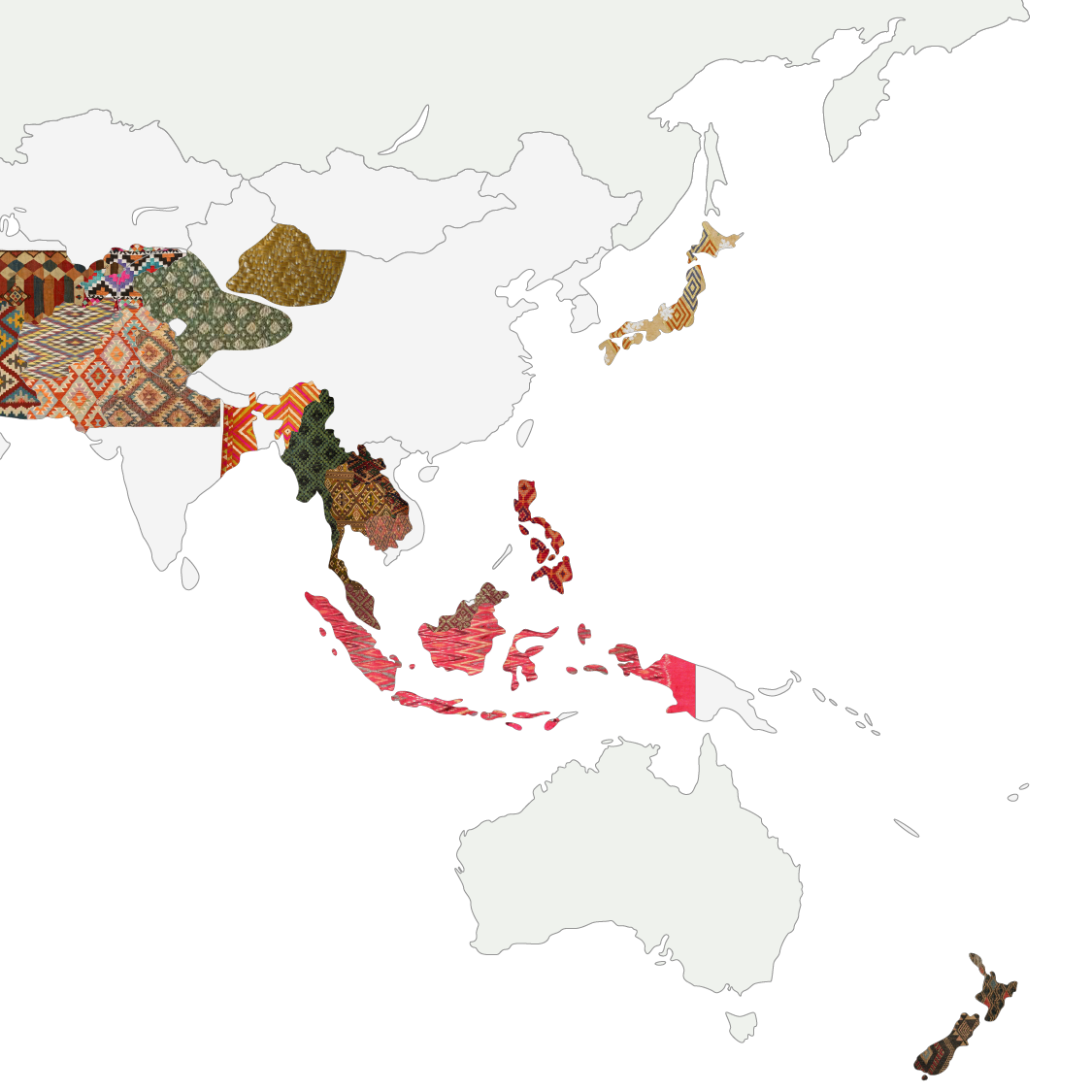
East Asia and the Pacific have some of the oldest and richest weaving traditions.
Clicking on the photos will take you to the original website the photo originates from. (where available)
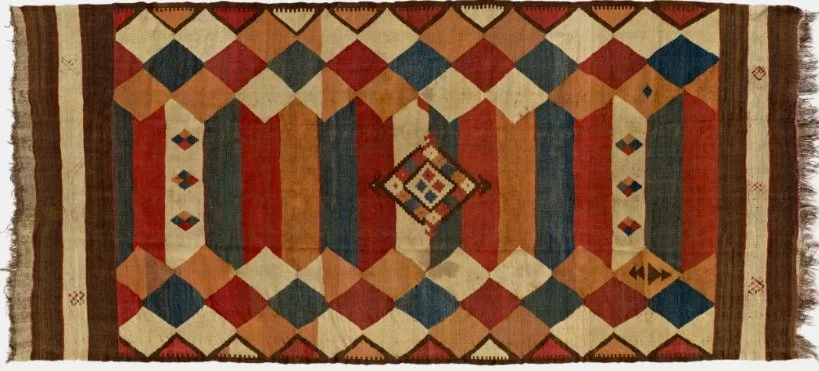
Uzbekistan, Kashkadaria Region near the Afghan border. Dimensions: 1) 423 × 191 cm. 2) 295 × 156 cm. Wool Yarn is colored with madder (brownish red), orange, dark blue, dark green, white and black. The kilims were used as floor coverings both inside and outside homes. The larger ones were special commissions, intended for the grand new urban residences built by the Bukharan elite. Gift of the Barbaros Collection (Louise Shelley and Richard Isaacson). Arthur M. Sackler Gallery S2018.24.1–7. Fotos used by permission of the National Museum of Asian Art. Smithsonian. Accessed via https://asia-archive.si.edu/collections/new/acquisitions-2018/seven-arab-uzbek-kilims/
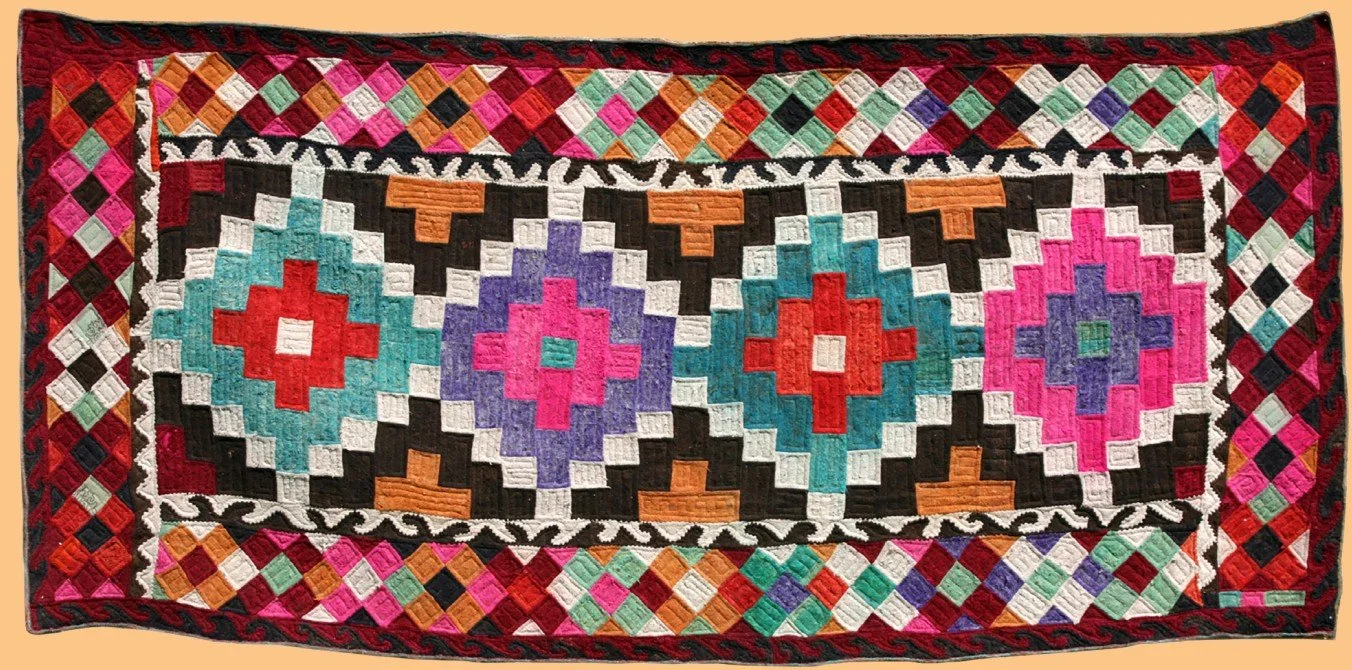
Kyrkystan. Felt carpet in the Kurak technique. In the old times, magic properties were attributed to kurak items; it was deemed that things made of small patches of cloth brought along large offspring, progeny and multiplied property. Kurak also functioned as an amulet. For instance, to protect the newborn from an evil eye, a shirt with 40 patches was made. Intricate designs in the form of medallions crossed diagonally by the line of rhombs and triangles are known as kaichy kurak and used for pillow and mattress decoration.
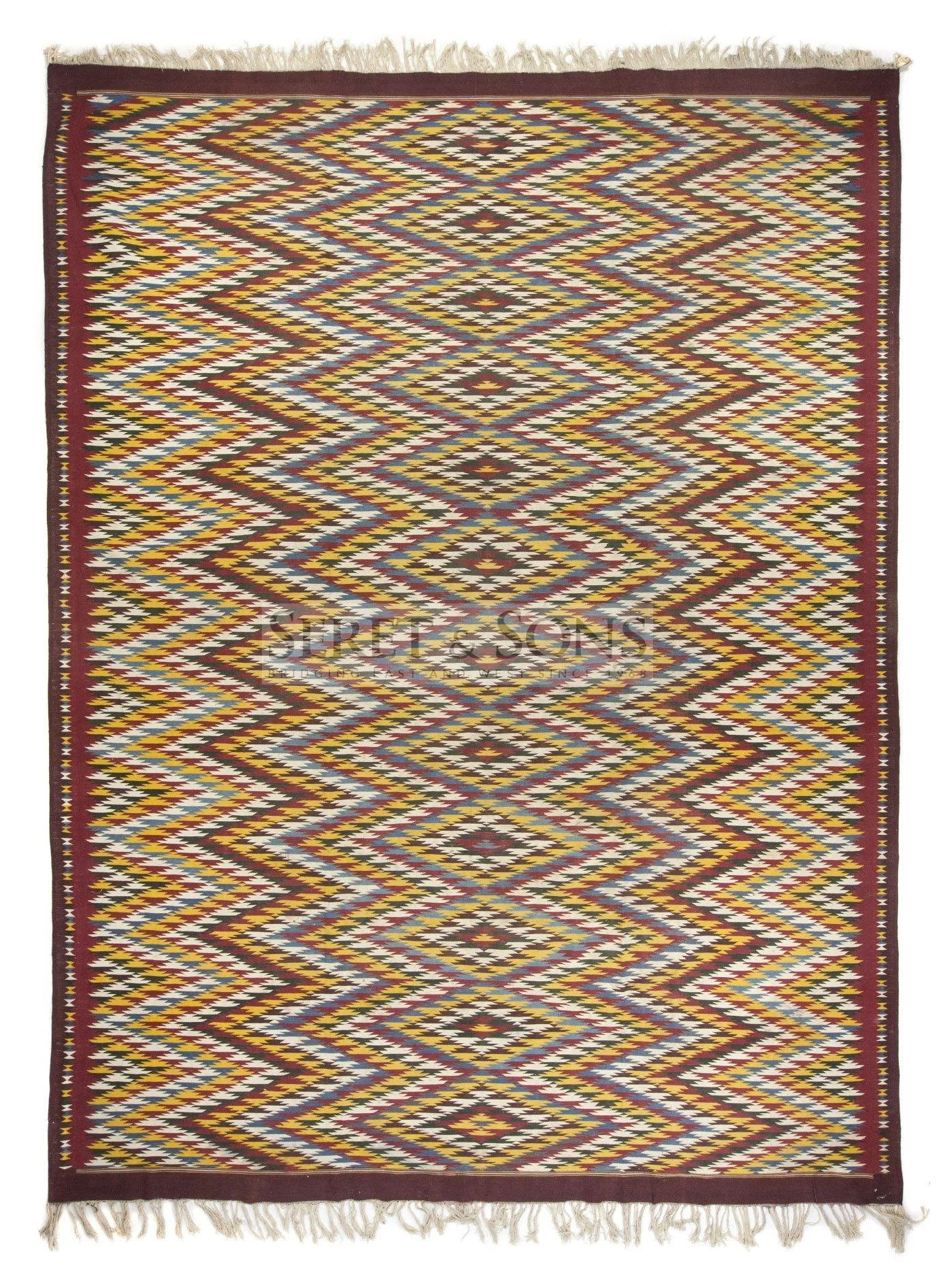
Afghanistan. Dhurrie. Mazar-i-Sharif region. Dimensions 274 x 365. Wool dyed with vegetal dyes. Rights of Seret & Sons. Accessed via https://seretandsons.com/product/antique-mazar-dhurrie-108-x-144
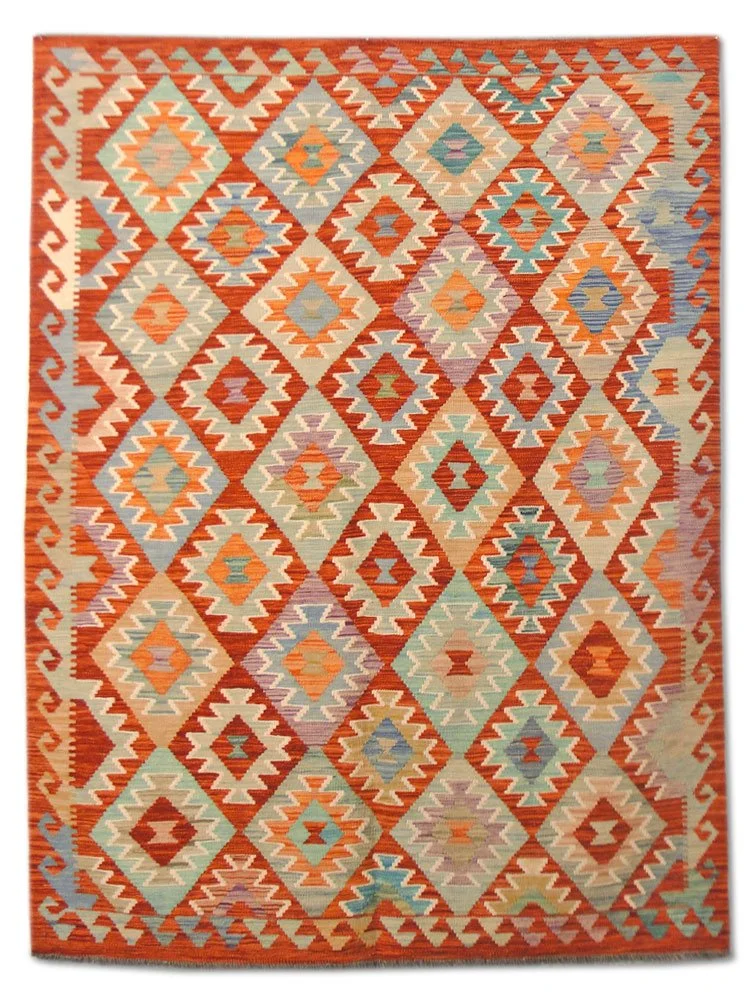
Pakistan. Dhurrie flat weave. Dimensions 148 x 200 cm. Wool. Foto rights of Pak Pakistan Rugs. Accessed via https://www.pakpersianrugs.com/rug.lasso?carpet=LH-8524&rtn=dhurrie-rugs&mtr=t
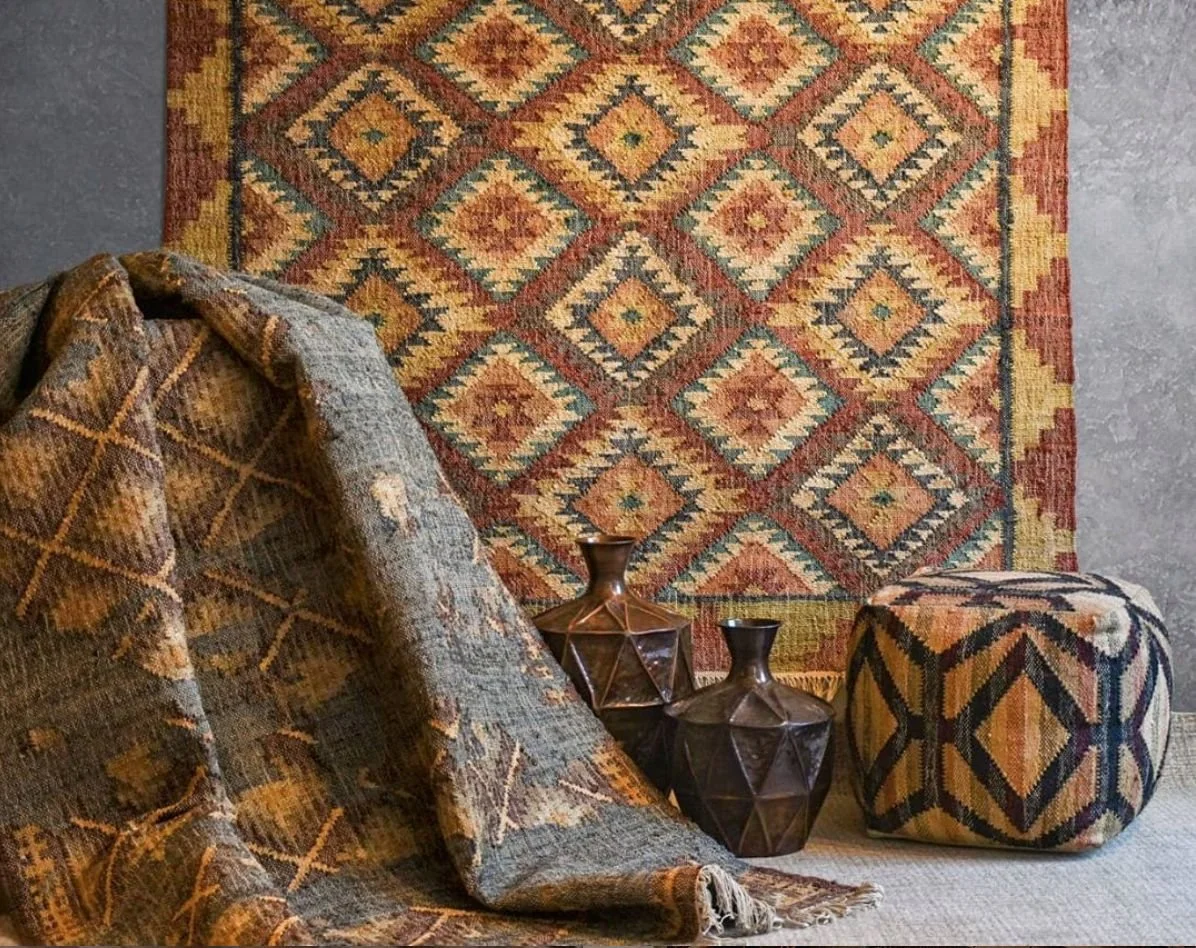
India. Panja Dhurrie. Jute and wool. Rights of The Rug Republic. Accessed via https://ro.pinterest.com/pin/578994095844282520/
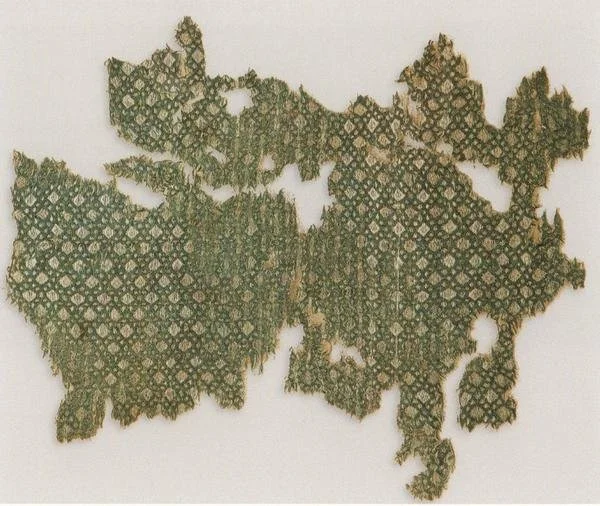
China. Diamond Silk Twill Pattern found at the Moshtcevaya Balka in North West Caucasus. 8th Century AD. Accessed viahttps://kazarbazar.com/about-diamond-twill-silks-58#:~:text=Diamond%20patterned%20silks%20were%20popular,Turk%20grave%20from%20the%20Altai
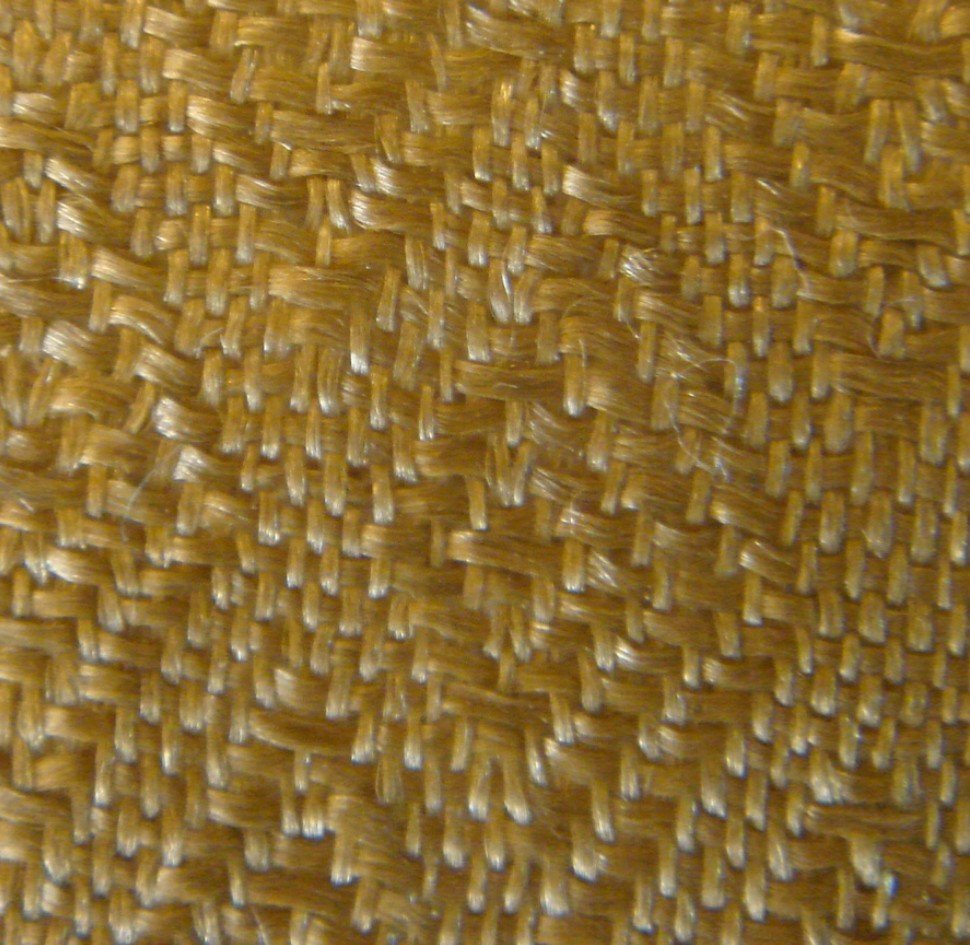
China. Dunhuang Province. Streamer. This yellow-brown banner streamer, possibly a side or bottom streamer, is in a fragmentary condition. Dimensions 54.6 x 5.1 cm. It is made of damask on plain weave with a concentric diamond pattern, repeated 1.1 cm in the warp direction and 0.5 cm in the weft direction. Warp: silk, untwisted, single, yellowish brown, 44 ends/cm; Weft: silk, untwisted, single, yellowish brown, 24 lats/cm. Weave structure: 3/1 diamond patterned twill on 1/1 plain weave for foundation. Tang dynasty. 7th-9th century AD. Collected by Sir Marc Aurel Stein in Cave 17. MAS.897. Used by permission @the Trustees of the British Museum London. Accessed via https://www.britishmuseum.org/collection/object/A_MAS-897?selectedImageId=153739001
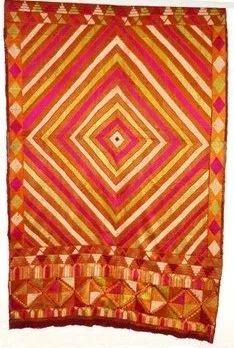
India. Hand-woven phulkari (embroidery) piece from the Punjab in India or Pakistan. The base fabric is hand-loomed cotton with a heavily embroidered pattern done in raw silk. Concentric Diamond Pattern, referred to as “eye of nightingale” or chesm-e bulbul. Bulbul is the Indian variety of nightingale. Foto Lidsay Brown. Accessed via https://ounodesign.com/2012/02/17/eye-of-nightingale-diamond-pattern/
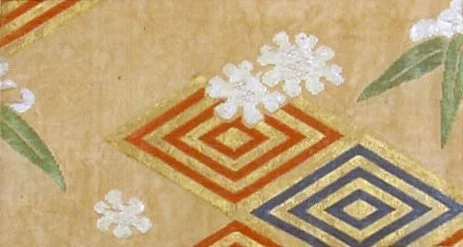
Japan. Textile with Snow Bamboo, and Concentric Diamond Lozenges. Dimensions: 10.8 x x19.8 cm. Silk twill brocading wefts and gold leaf. Edo Period(1615-1868). 2008.335.55. Public Domain. Accessed via https://www.metmuseum.org/art/collection/search/74541
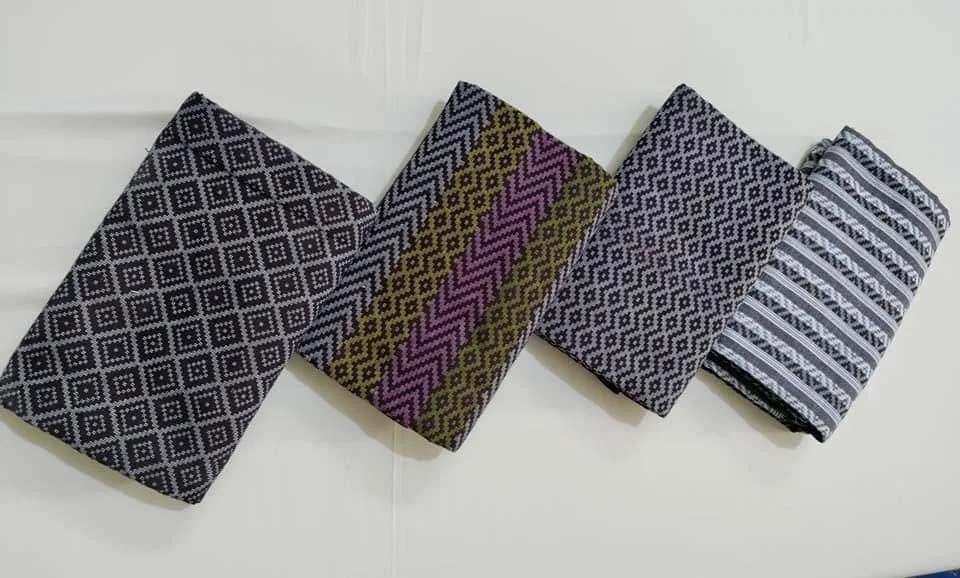
Myanmar. Women longyi designs. Photo Credit: Nan Shae Thu. People weave 5 to 8 yards of the same Longyi design during the processing. The length of a Longyi is 2 yards, and it takes a day to complete the process. This is not easy, and it requires the weavers' patience and skills. However, there is a difference between using machine weaving and hand weaving. Dawei Traditional longyi has different designs which are cross hatching of initial design (Kyu Htayan), floral patterns, cane ball (ChinLone), bamboo wall, arrow line and intricate wave (Yay Hlaing).The price of machine weaving Dawei Longyi is between 9,000 MMK and 15,000 MMK which is based on the quality of silk and length of Longyi. The traditional longyis are suitable for tropical weather. Accessed via https://www.mylocalpassion.com/posts/weaving-dawei-traditional-longyi
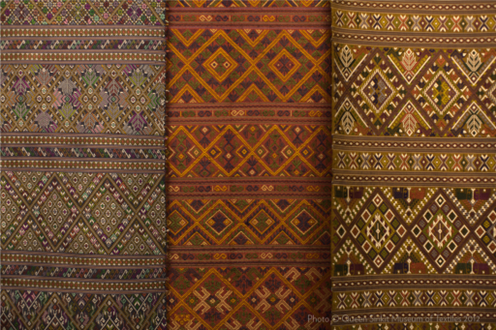
Thailand.Phrae Wa. Silk. Photo credit: Queen Sirikit Museum of Textiles. The term phrae wa (แพรวา) denotes a shoulder cloth of elaborately patterned silk brocade, traditionally with a deep red ground. The typical size of a phrae wa is two meters in length and 45 centimetres in width. It is woven and worn by women of the Phu Thai community- an ethnic group originally from China, who migrated to the Mekong region of Laos and Northeastern Thailand. Phu Thai women are taught the art of phrae wa weaving from a young age. The cloth holds a significant cultural value and is often worn on special occasions, such as Buddhist celebrations.During important festivities, the women don their own handcrafted phrae wa as a way to show off their skills and express pride in their heritage. Accessed via https://thailandfoundation.or.th/phrae-wa-the-queen-of-thai-silk/
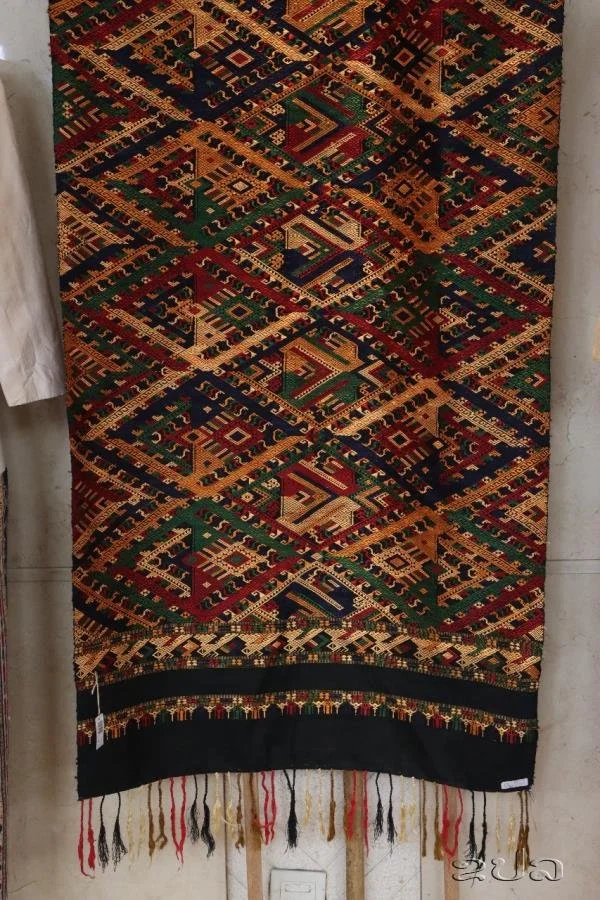
Laos. Naga pattern on silk cloth. Starting from the age of 10, Lao girls begin to learn weaving from their mothers, grandmothers and mothers-in-law. This learning process is conducted through verbal communication and hands-on practice without textbooks. Instead, folk tales, poetry and slogans incorporate naga designs, techniques and textiles. UNESCO endorsed the Laos naga weaving motif as an intangible cultural heritage of humanity in 2023. Accessed via https://kpl.gov.la/En/detail.aspx/detail.aspx?id=83315
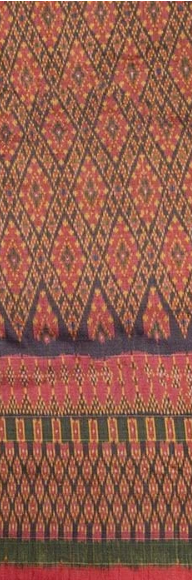
Vietnam. Fragment of Antique Cambodian Silk/Khmer Ikat: Collected 94-96. Total length of original piece 3m. Foto Ian Taylor. Accessed via https://www.iantaylor.ca/journal/antique-khmer-silk
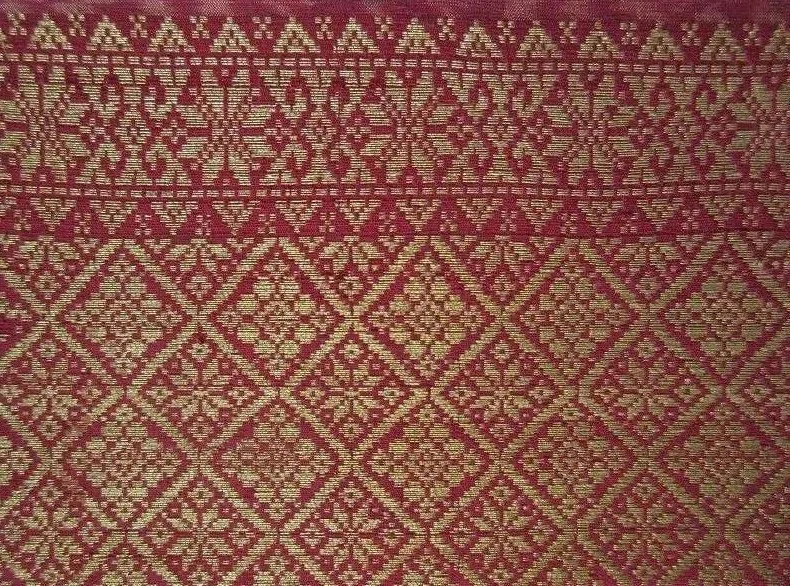
Malaysia. Palembang Songket Head Cloth. Pre 1920. Weft ikat, supplementary weft weave, silk and gold thread with natural dye. Dimensions 83.8 cm x 114 cm. The red ground of the cloth with resist dye floral medallions and gold thread rosettes, bordered with geometric zig zag patterns These Songkets were traditionally hung from a wedding bed to announce the wealth of the family, and were also worn during religious ceremonies. The weaver must be highly skilled to create the Songket as they can take many months to complete. Rights of Zentner Collection. Accessed via https://zentnercollection.com/product/antique-malaysian-palembang-songket-head-cloth/
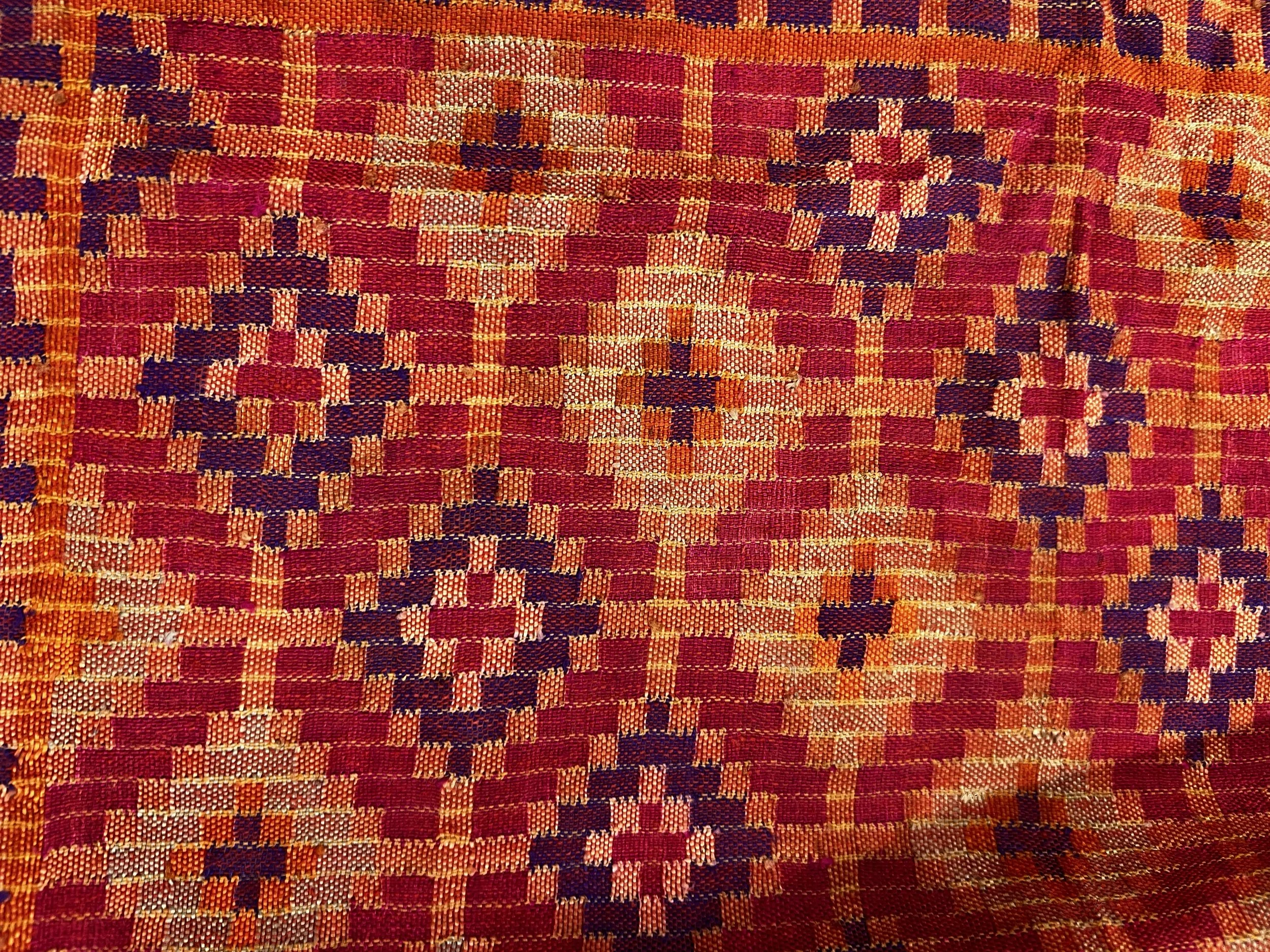
The Philippines.“Pis Syabit (Silk Headscarf),” Zamboanga Islands. Called people of the current. This item is used by a warrior. One can identify the leader/warrior by the type of headscarf worn. “Pis Syabit (Silk headscarf),” Mapping Philippine Material Culture, accessed via https://philippinestudies.uk/mapping/items/show/29325

Indonesia. Detail of a songket sarong from Singaraja silk Endek selendang, the collection of Balique Arts of Indonesia. 1920s. Fotos by Chris Hazzard - Own work, CC BY-SA 3.0 https://commons.wikimedia.org/w/index.php?curid=22822482
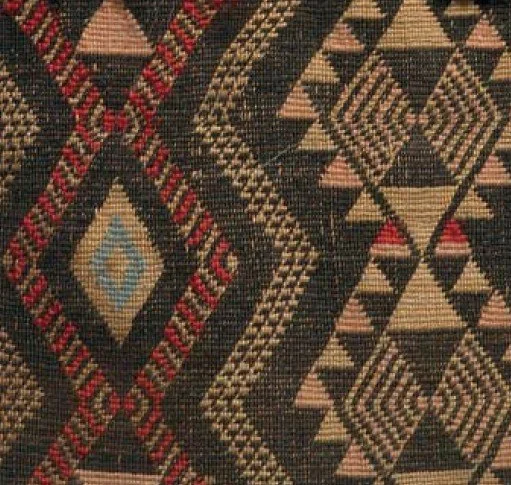
New Zealand.Detail of Maori Cloak named Whatu Kakahu. Weft twining techniques.Museum of New Zealand Te Papa Tongarewa. Foto. By Norman Heke